Field notes
Articles
Working notes on duckweed, water and what the field actually returns.
-
 Duckweed on Manure: What the Field Pilots Measured Duckweed on manure effluent removes real nitrogen and phosphorus, then stalls near day 100. What outdoor pilots measured, and why the feed half is blocked. Read
 -
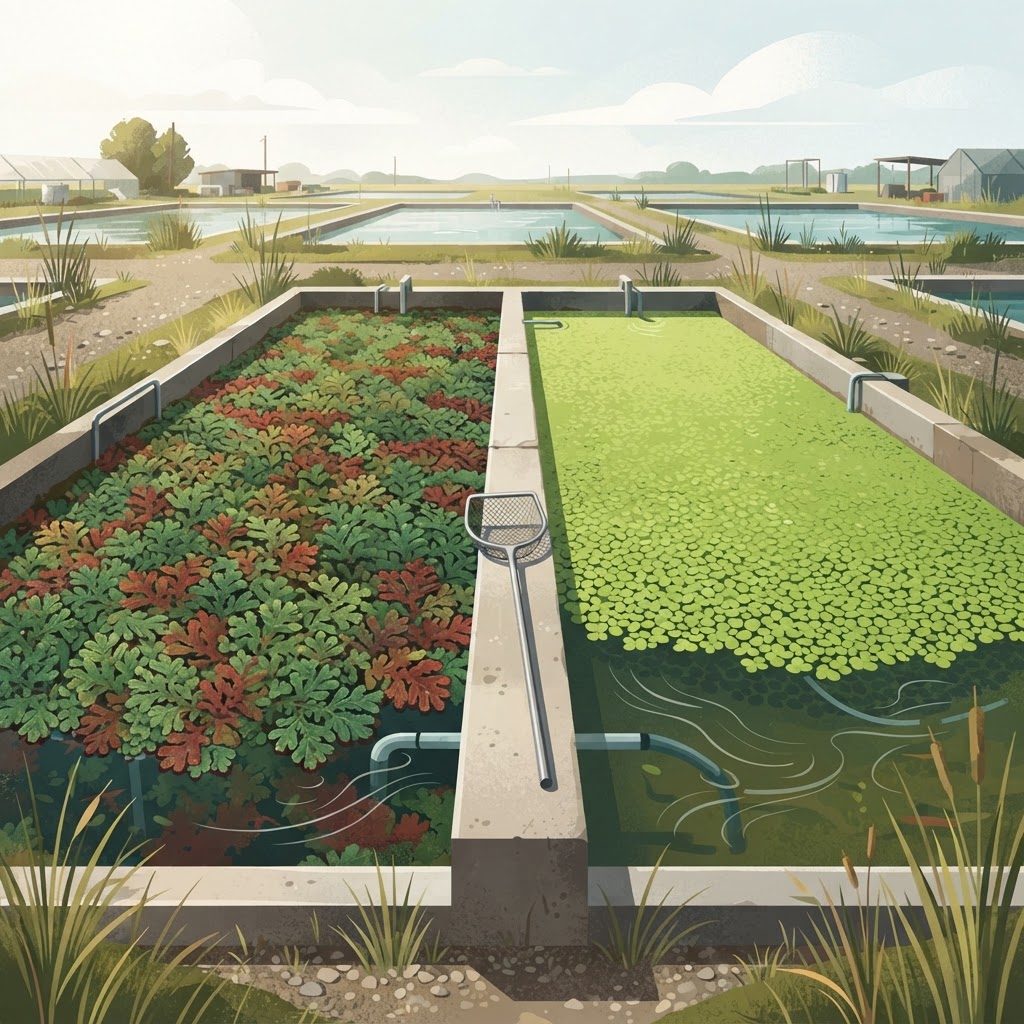 Azolla vs Duckweed Protein Content: Not the Same Number Azolla vs duckweed protein content: the two are not measured on the same scale, and different things move each number. What the evidence supports. Read
 -
 Duckweed Amino Acid Profile: The Two Limiting Ones The duckweed amino acid profile beats the FAO pattern on most essentials and misses on methionine. What the table leaves out is digestibility. Read
 -
 Duckweed Cultivation Cost: What the Real Numbers Say Published duckweed cultivation costs run from $7.69 a dry tonne to EUR 3,550. What drives the spread, and how to cost a system for your own site. Read
 -
 Duckweed Cultivation Business Plan: 4 Deciding Questions A duckweed cultivation business plan lives or dies on where revenue comes from. What the audited cases and techno-economic studies actually show. Read
 -
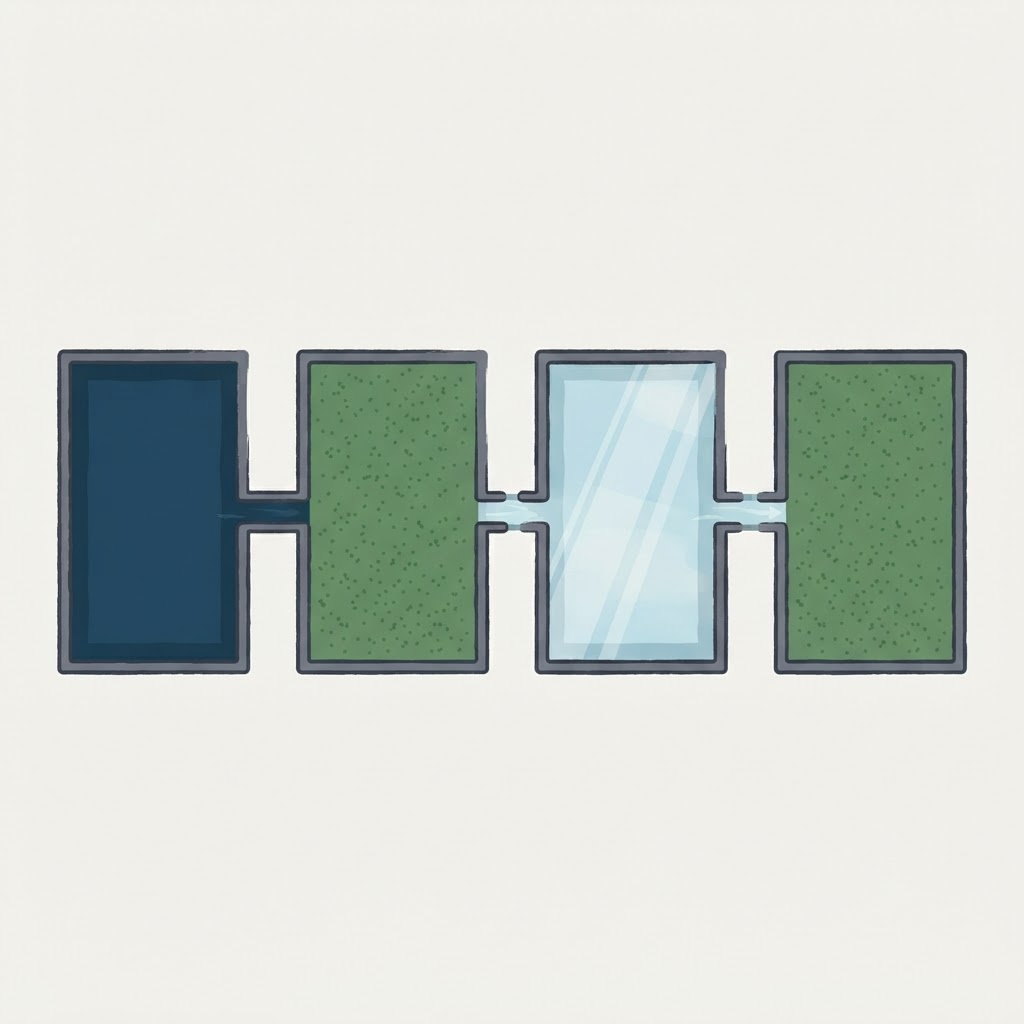 Duckweed Based Wastewater Treatment System Design A duckweed based wastewater treatment system is a configuration, not a plant: the treatment train, pond geometry, retention time, land and cost. Read
 -
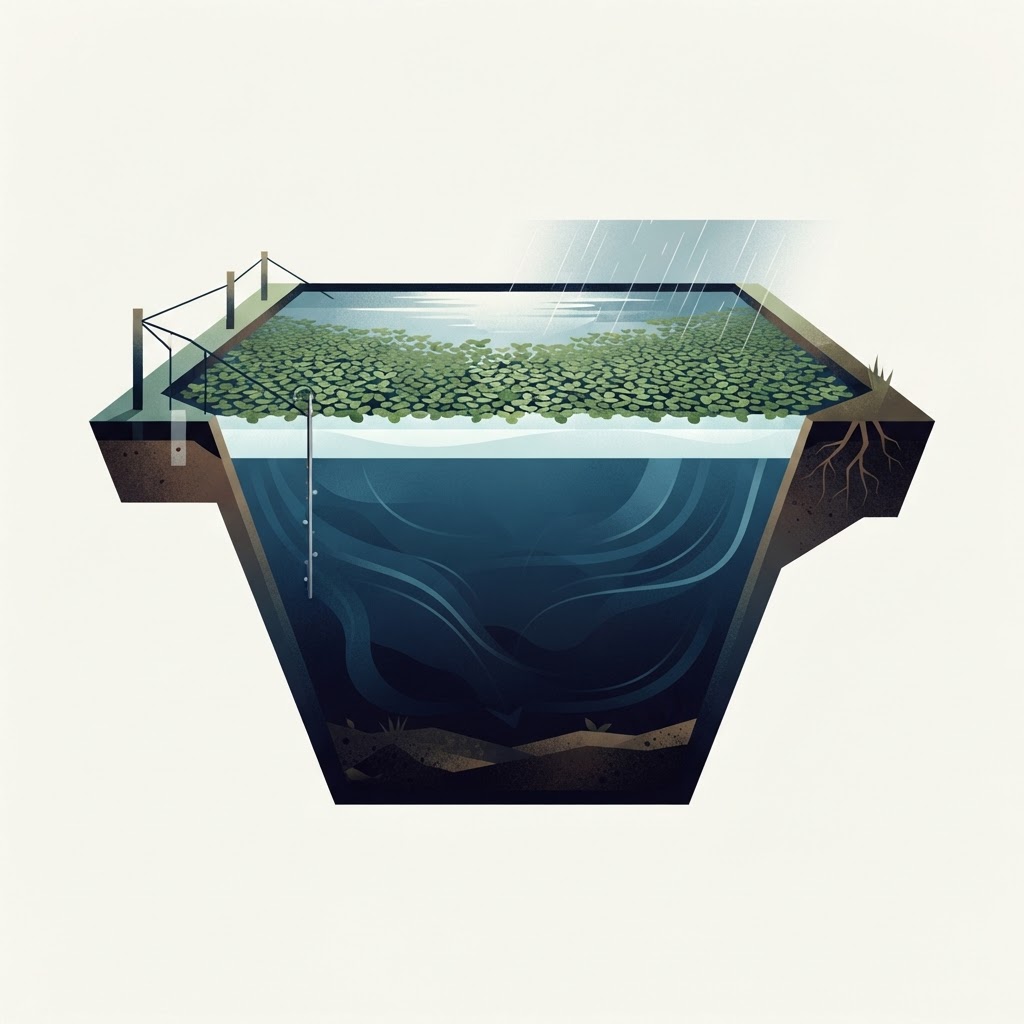 Duckweed Wastewater Treatment: What It Actually Removes Duckweed removes nitrogen and phosphorus from wastewater, but published numbers hide their conditions. What a duckweed system does, and where it stops. Read
 -
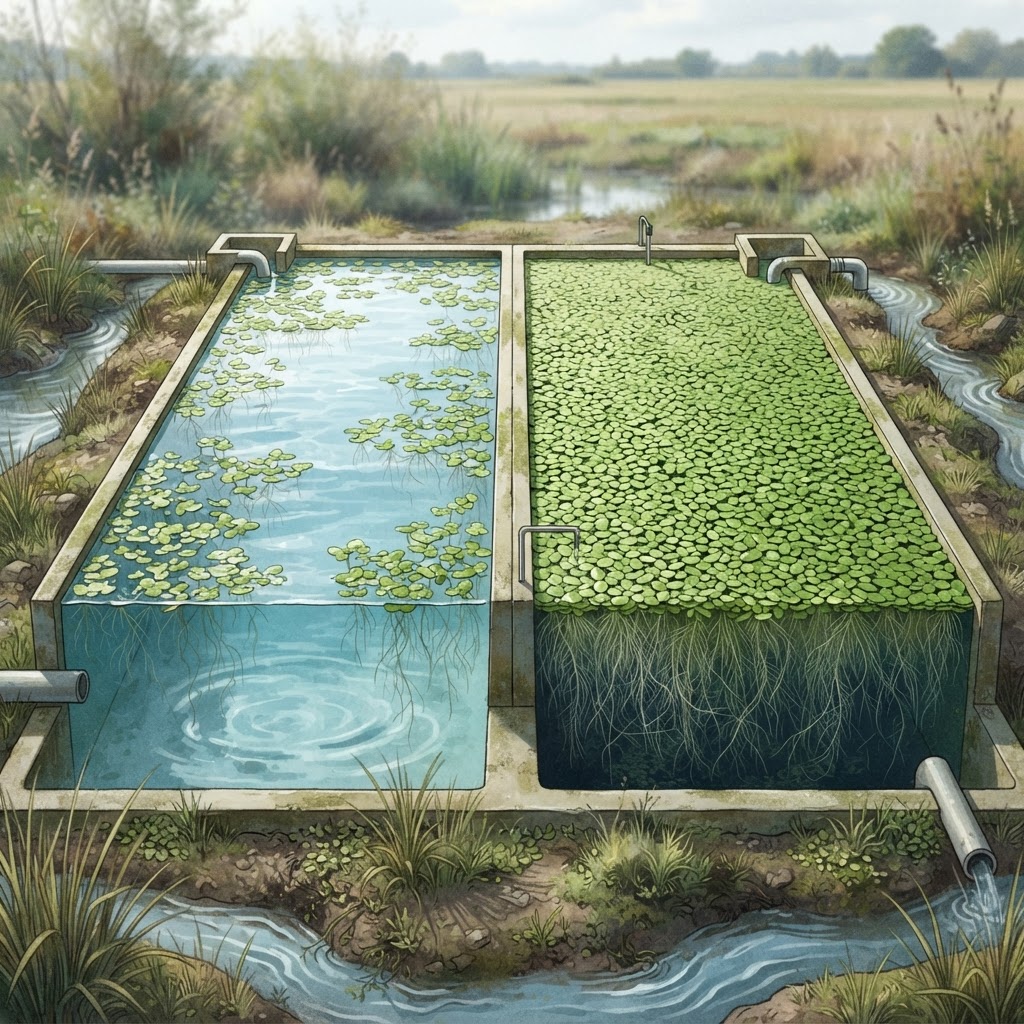 Duckweed Protein Content: What Actually Moves It Duckweed protein content is reported from 16 to 44 percent of dry weight. Only nitrogen and genetics move it; density, depth and harvest move yield. Read
 -
 Duckweed Harvesting: The Regime That Decides Removal Duckweed harvesting is the nutrient removal step, not pond maintenance. What the published evidence says about frequency, fraction, cost and biomass fate. Read
 -
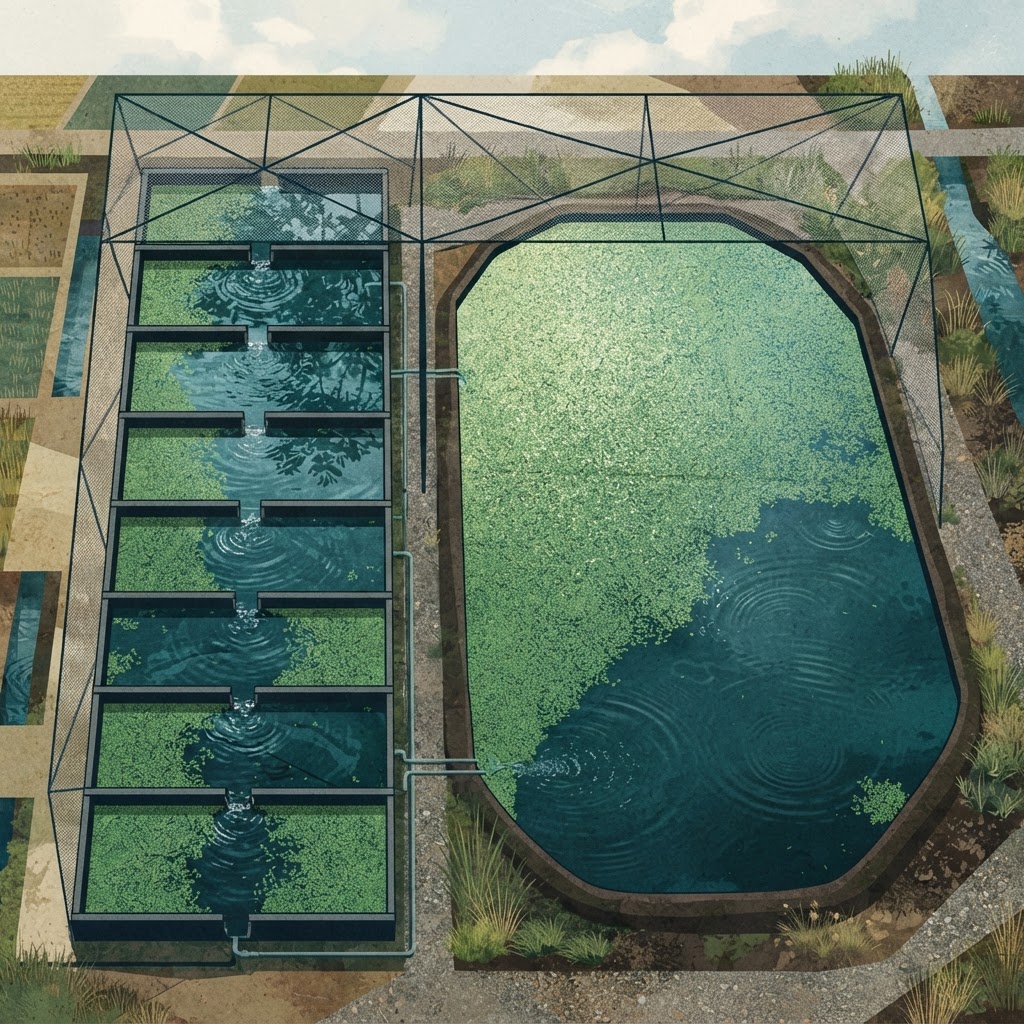 Duckweed Cultivation: A Design Problem, Not a Recipe Duckweed cultivation is designed, not started. What the published parameters depend on, why lab growth rates overstate pilot yield, and what to specify. Read
 -
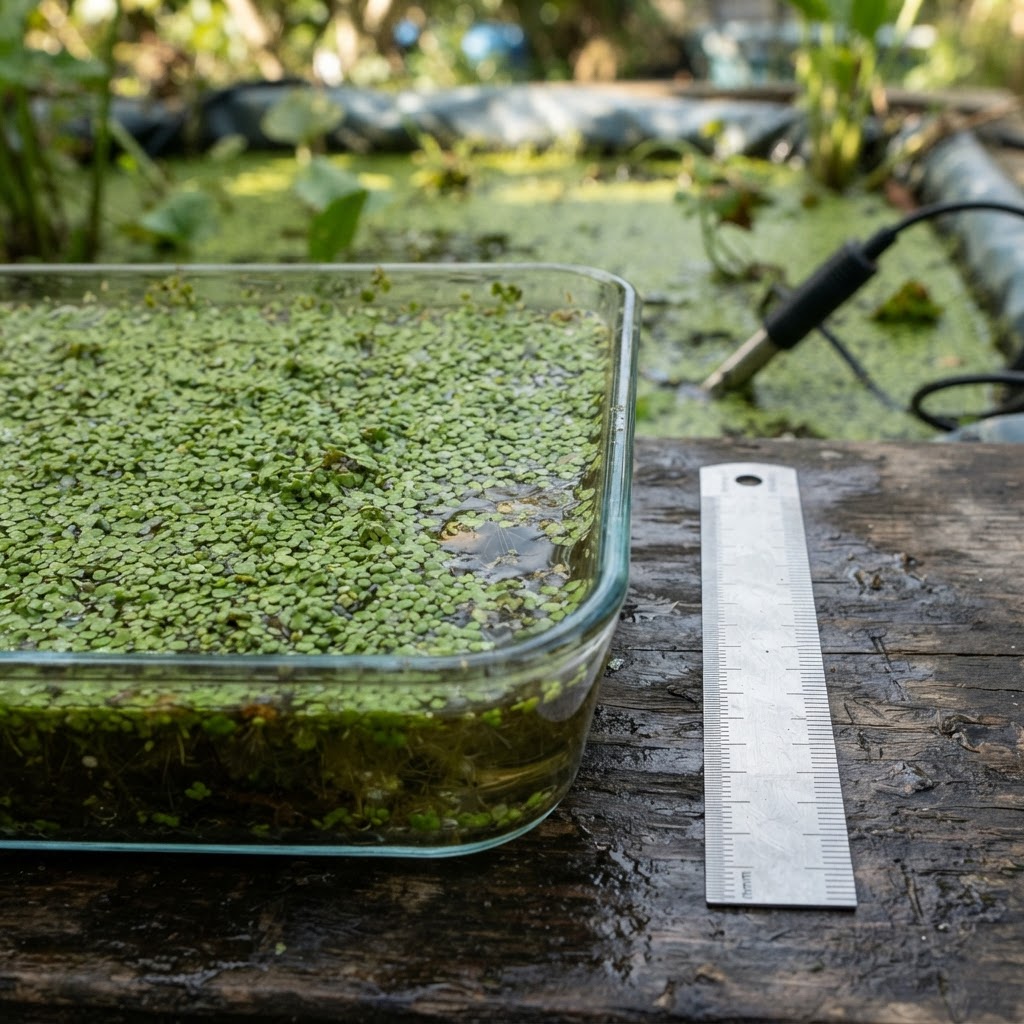 Wolffia Protein: Why the Figures Run From 20 to 46 Percent Wolffia protein is reported from 20 to 46 percent of dry weight. What moves it: the growing medium, the species and clone, and how it was measured. Read
 -
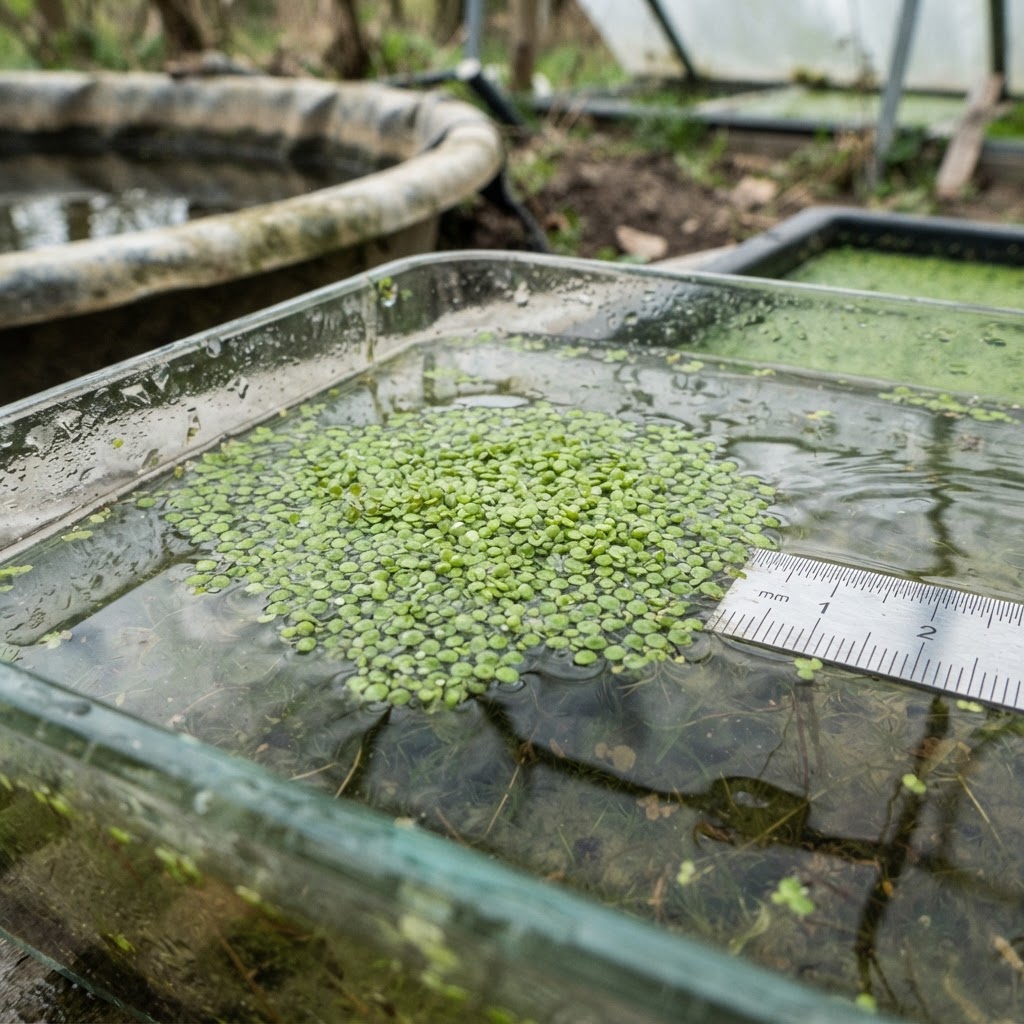 Mankai Duckweed Protein: What It Is and Its Status Mankai duckweed protein comes from one patented Wolffia globosa strain. What its 40 to 48 percent figure describes, and its EU and US status. Read
 -
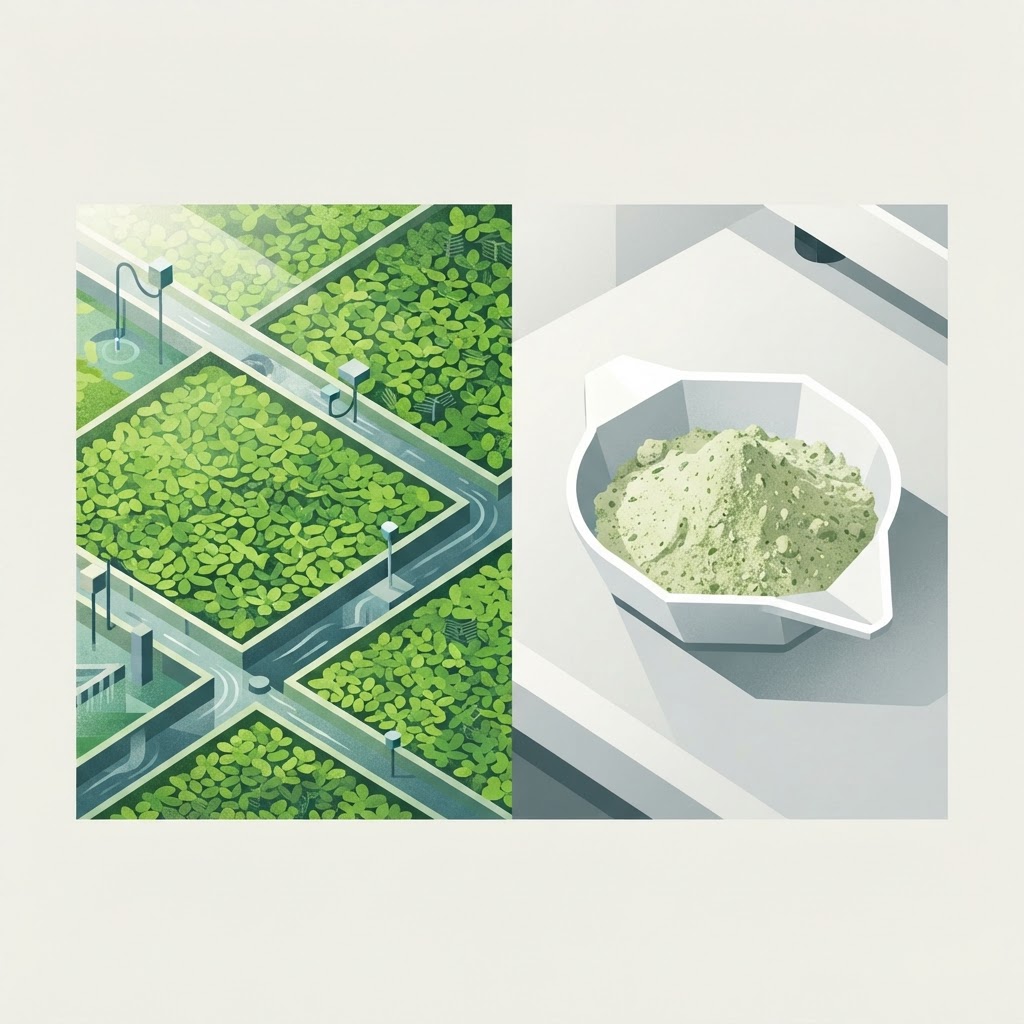 Duckweed as a Protein Source: Strengths and Limits Is duckweed a good protein source? It beats soy on protein per hectare, but extraction is hard, approvals are narrow, and water quality matters a lot. Read
 -
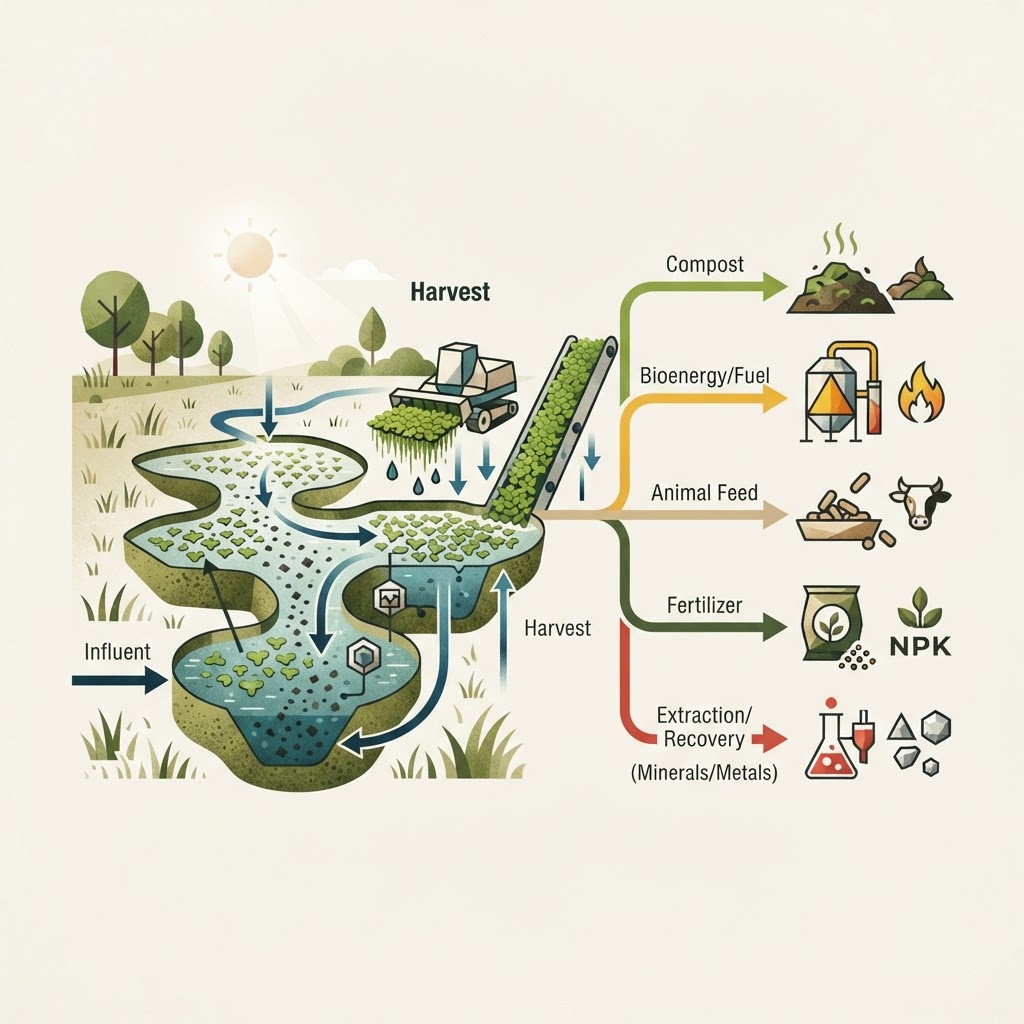 Duckweed Phytoremediation: Where the Metals Go Duckweed phytoremediation does not destroy heavy metals, it moves them into biomass you must dispose of. What the evidence supports, and what it costs. Read
 -
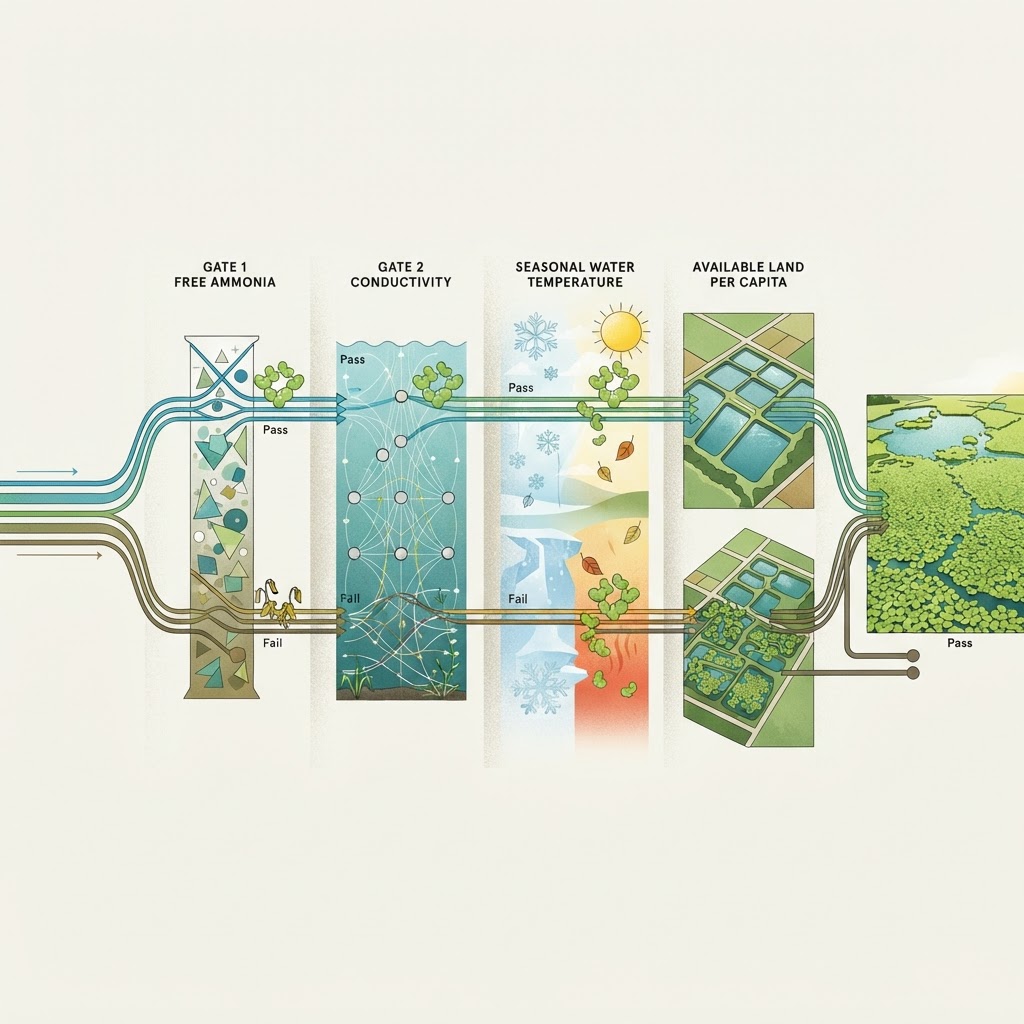 Duckweed for Wastewater Treatment: Is Your Water a Fit? Duckweed for wastewater treatment works on some effluents and dies on others. The four lab numbers that decide it: ammonia, pH, conductivity, temperature. Read
 -
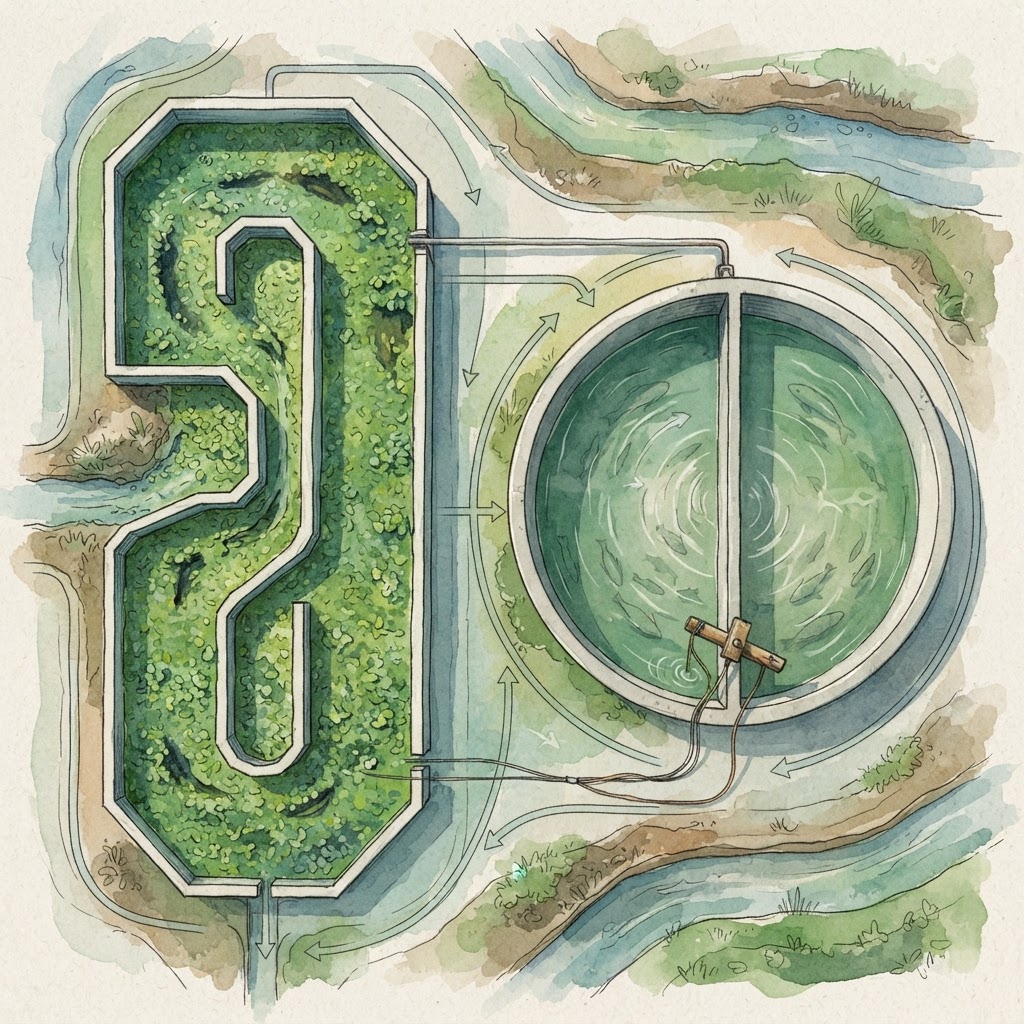 Duckweed Fish Feed: Inclusion Rates the Trials Support A meta-analysis of 58 trials puts duckweed fish feed at 15 to 30 percent inclusion. Form and moisture, not protein, decide where you land in that band. Read
 -
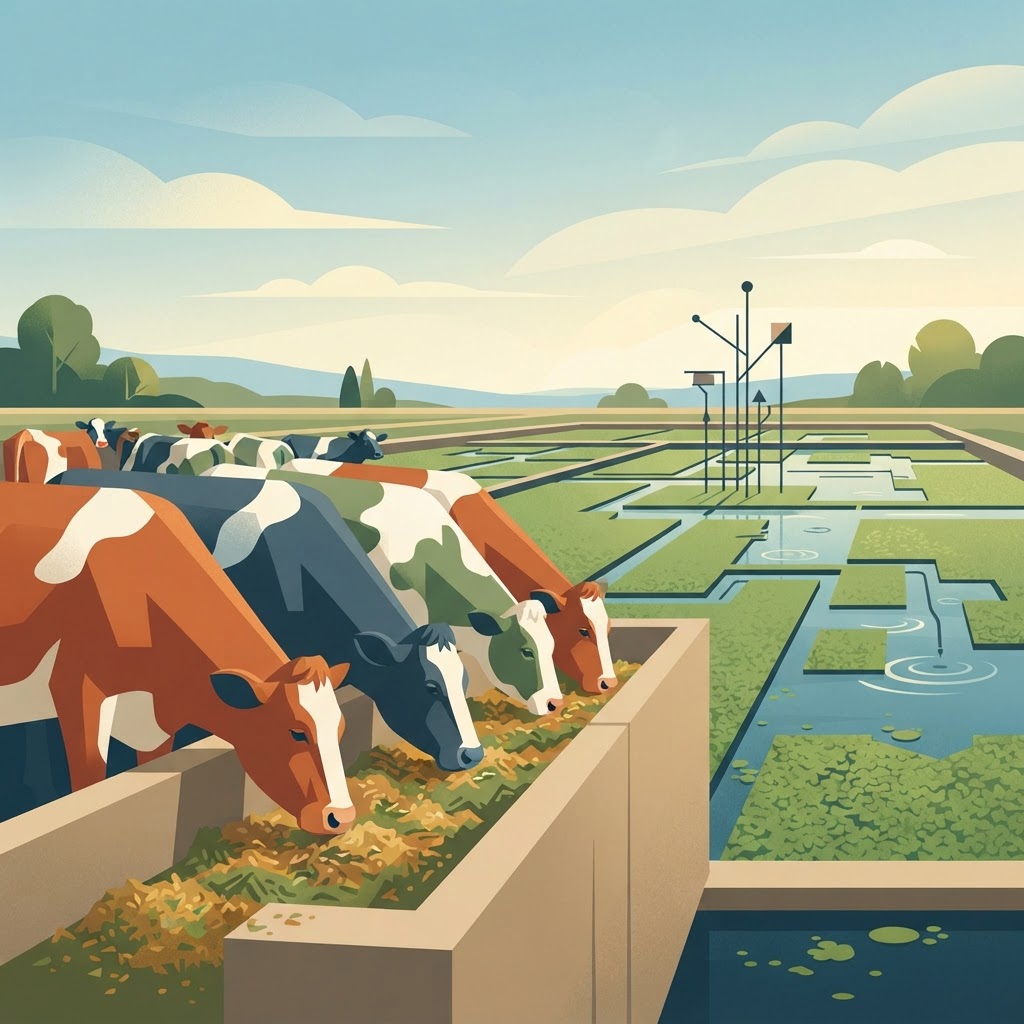 Duckweed as Cattle Feed: What the Rumen Data Shows Duckweed as cattle feed clears the poultry limits, then meets two the trials rarely mention: rumen-degradable protein and falling metabolizable energy. Read
 -
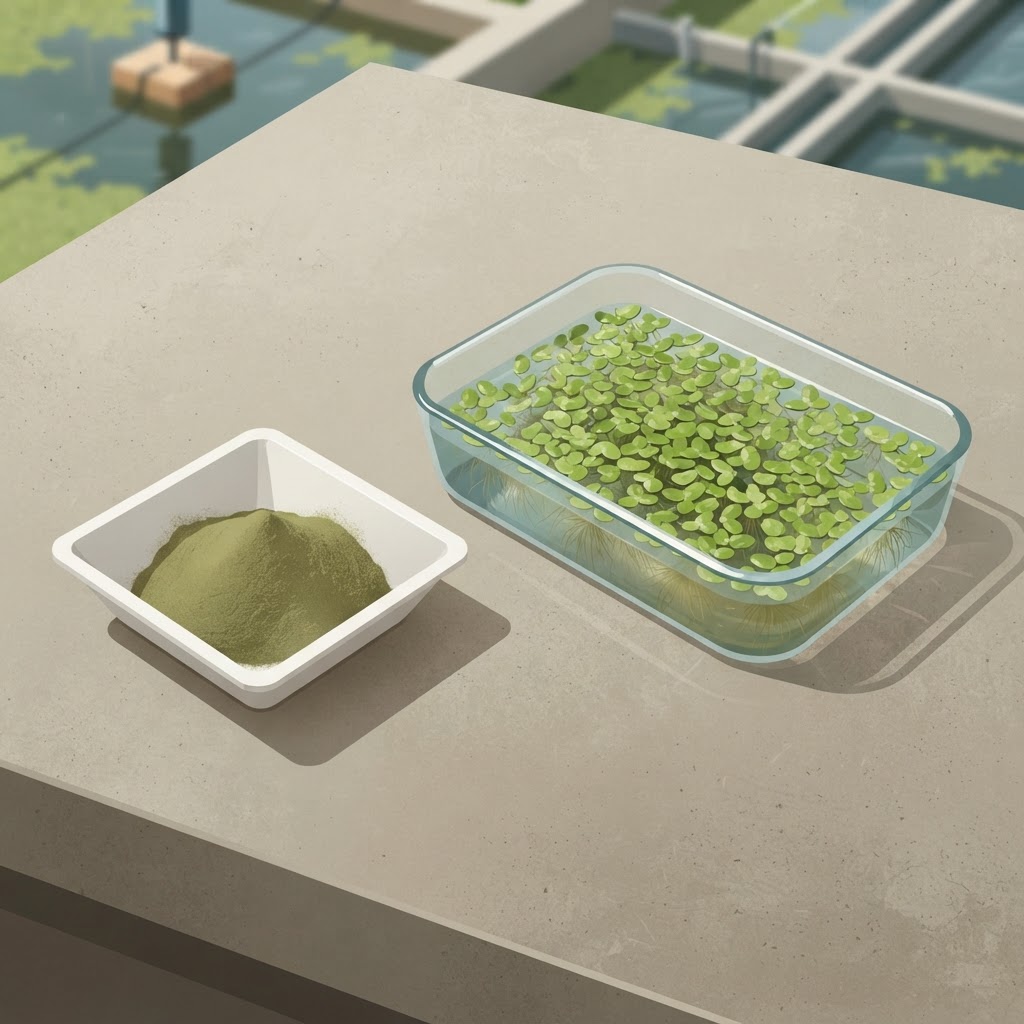 Duckweed Alternative Protein: What Is Actually Real The duckweed protein market forecasts disagree by an order of magnitude. Here is what is authorised, what is built and what is still a projection in 2026. Read
 -
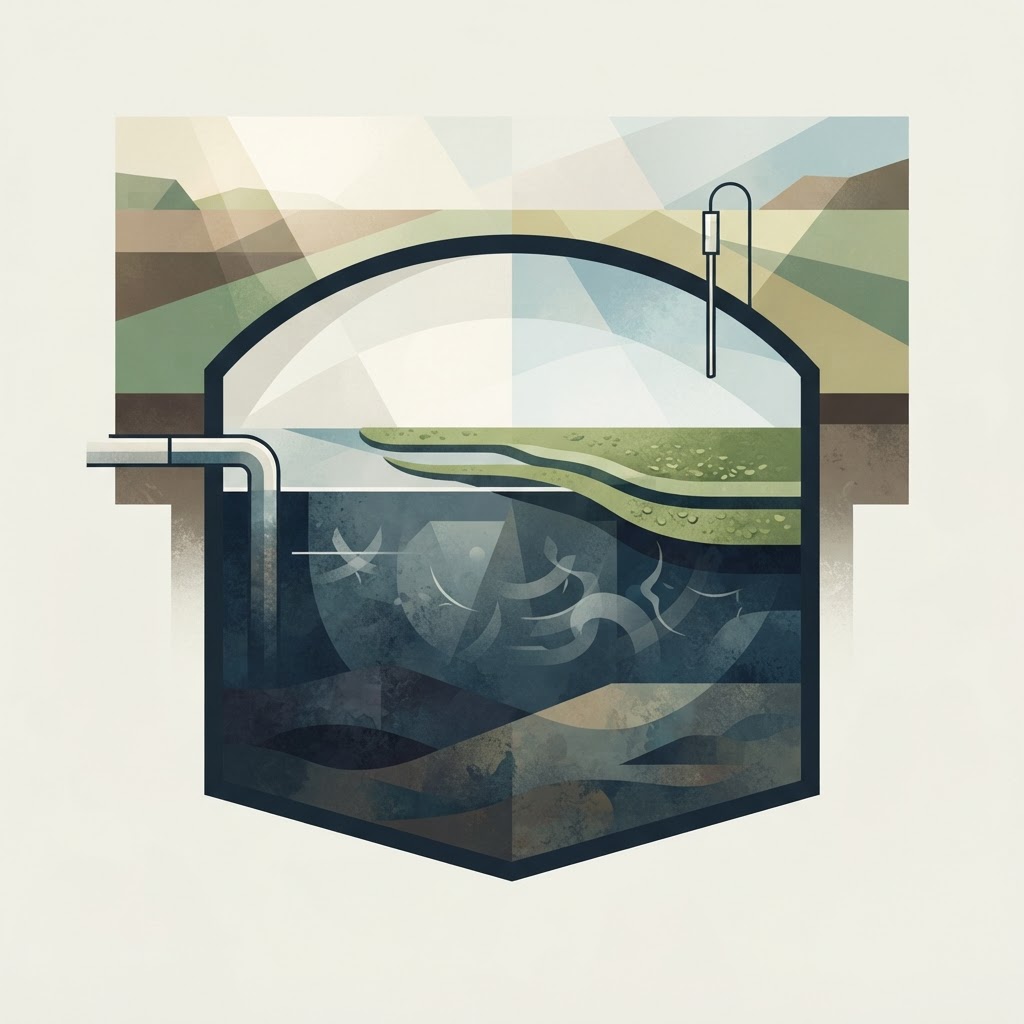 Duckweed Biogas: What the Digestion Data Supports Duckweed biogas yields run 153 to 413 mL CH4 per g VS across the literature. What moves the number, and why duckweed is a co-substrate, not a feedstock. Read
 -
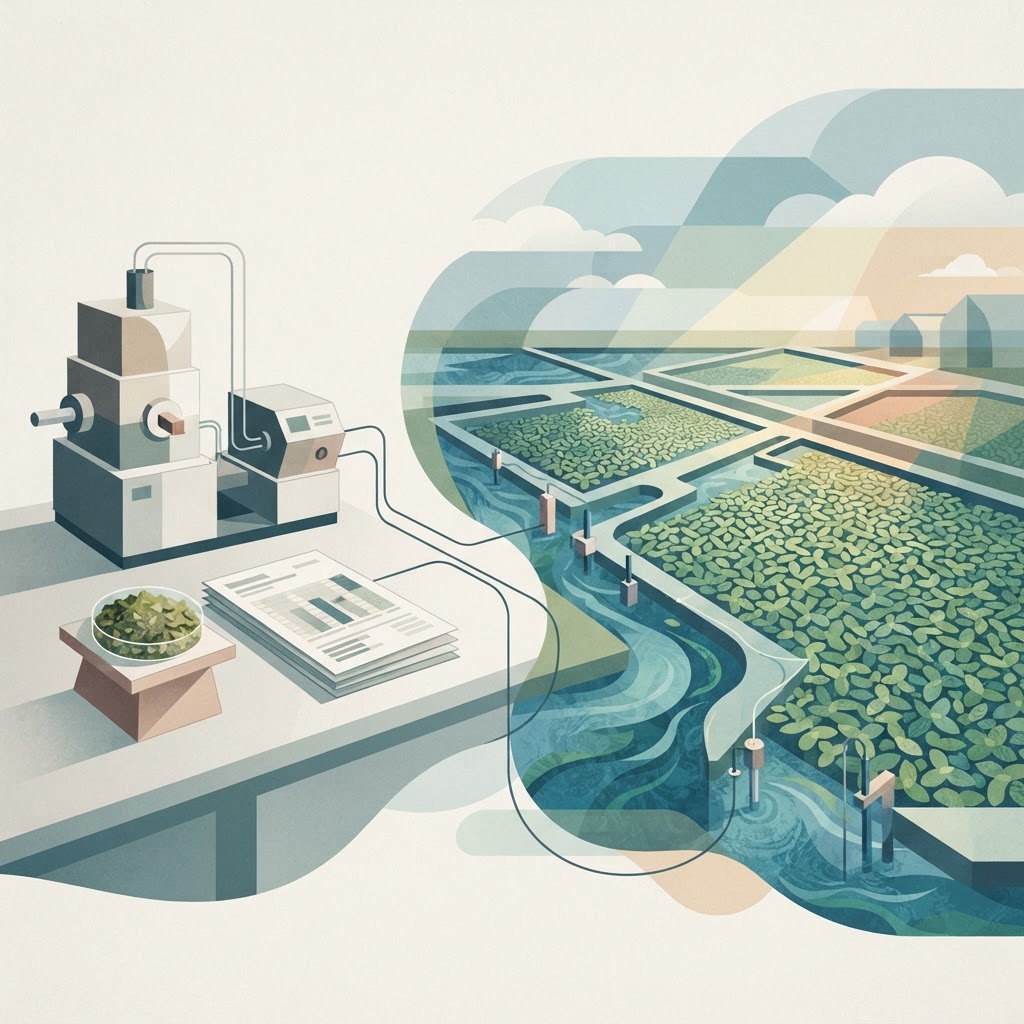 Duckweed Crude Protein Content: What It Does Not Tell You Duckweed crude protein content averages 27.8 percent of dry matter. Four deductions sit between that figure and the protein an animal actually uses. Read
 -
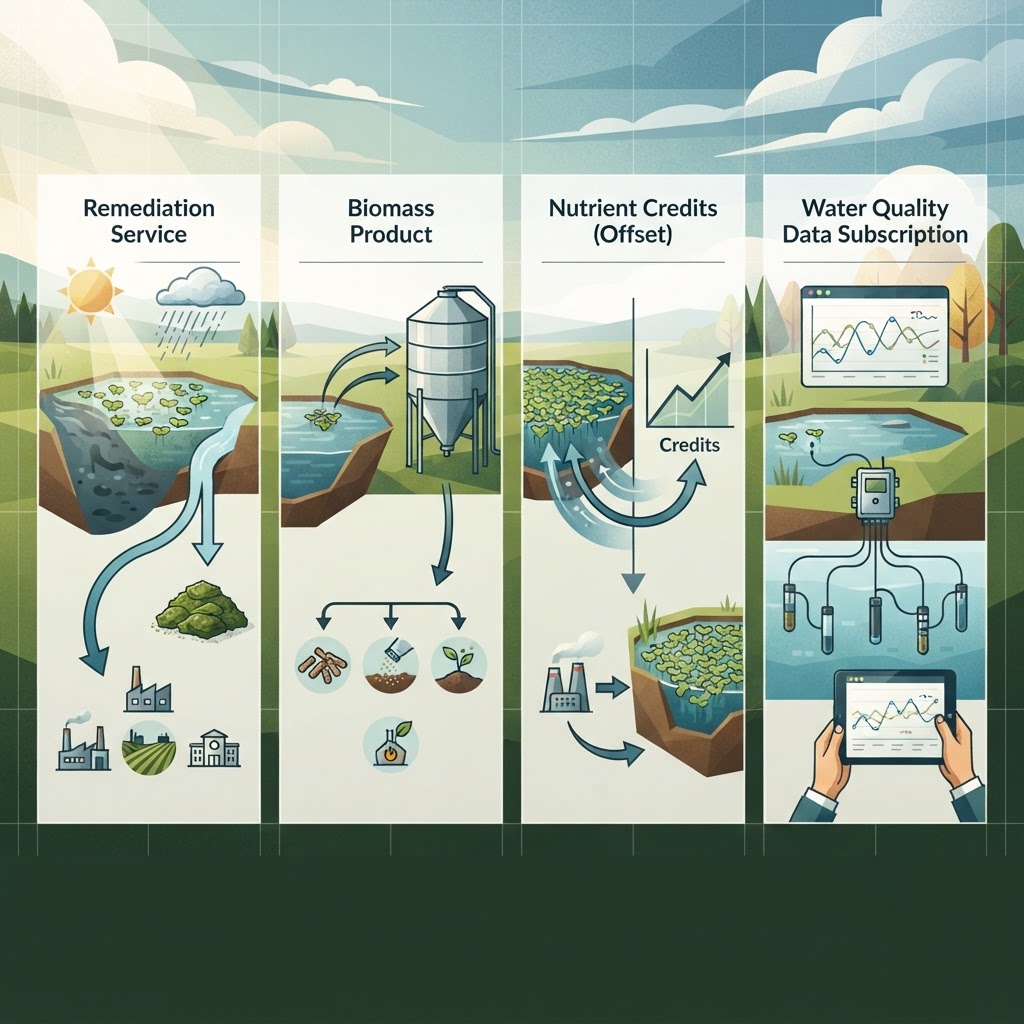 Duckweed Phytoremediation Companies: How to Evaluate One Who sells duckweed phytoremediation, the four business models these companies mix up, and the questions that separate a real project from a press release. Read
 -
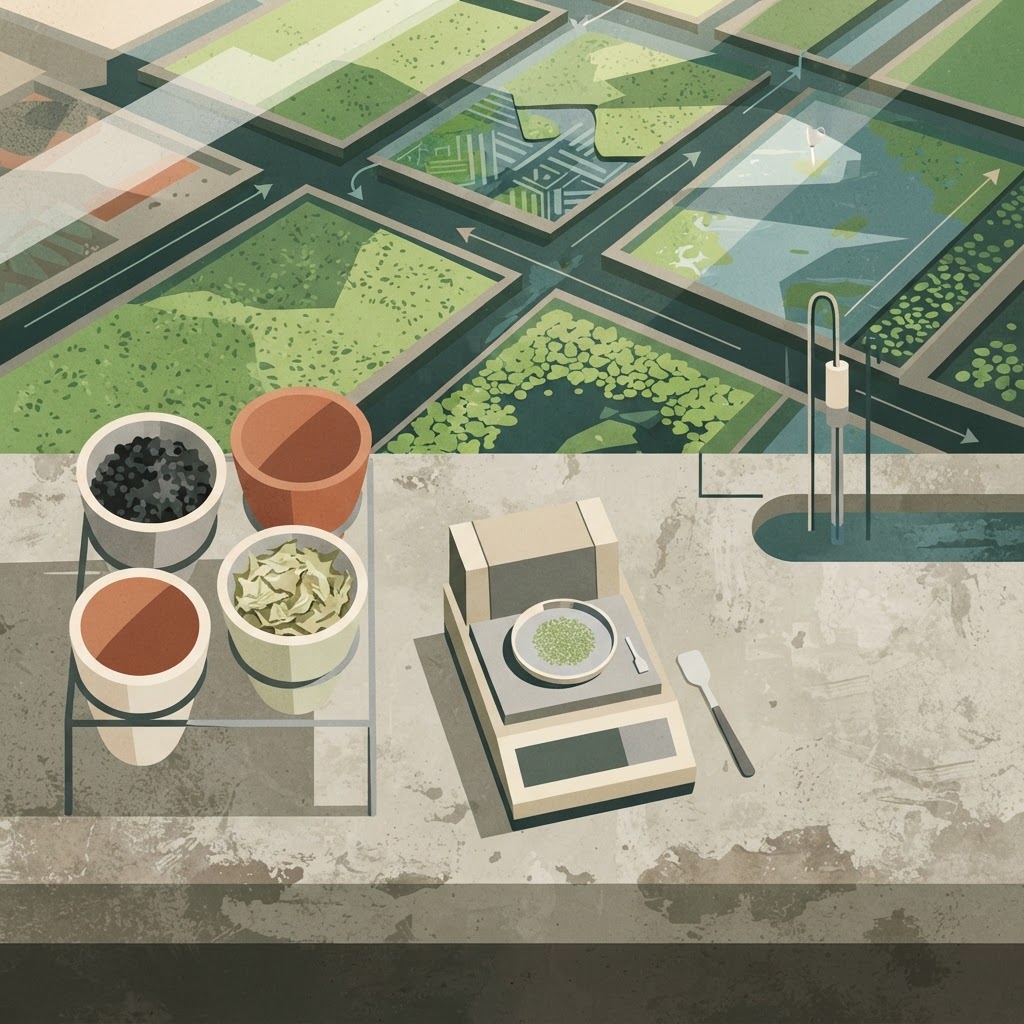 Duckweed Nutritional Value: What the Water Decides Duckweed nutritional value shifts with species and water: fat, fibre, minerals, carotenoids, B12. The full panel, plus the anti-nutrient column. Read
 -
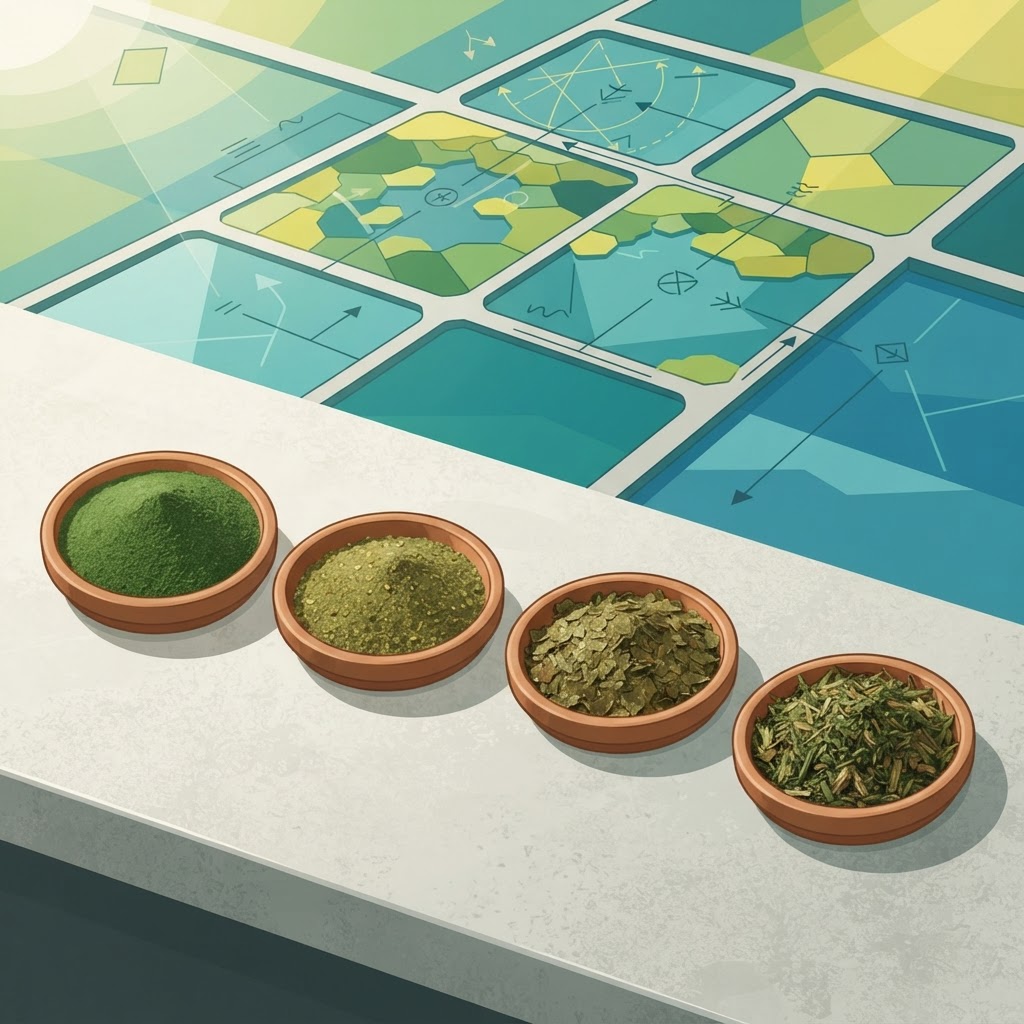 Duckweed Animal Feed: Species, Limits and EU Rules Duckweed as animal feed suits ruminants best, hits a physical ceiling in poultry and pigs, and in the EU its legal status turns on the water it grew on. Read
 -
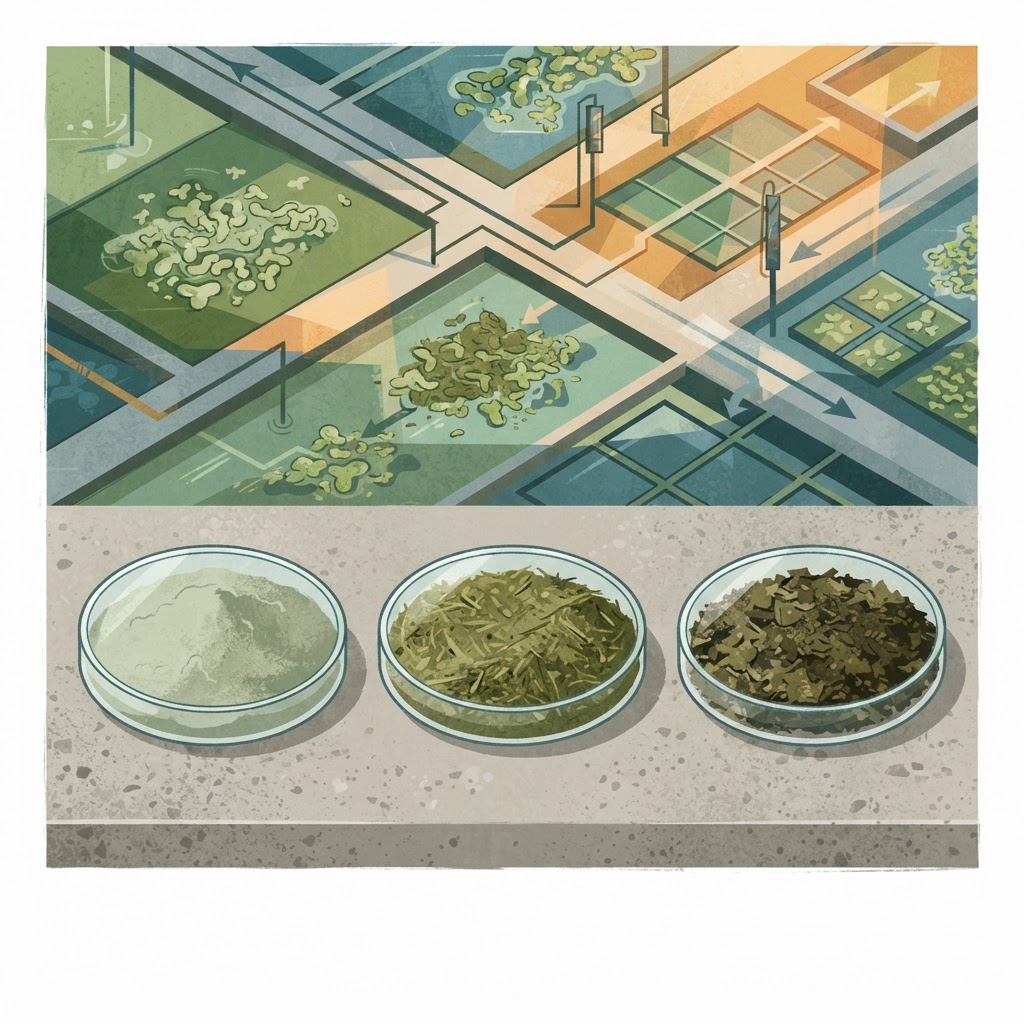 Duckweed Protein: Why Every Source Quotes a Different % Duckweed protein is quoted at 16 to 45 percent. The spread is species, water, assay method and extraction, not noise. Here is what each layer costs you. Read
 -
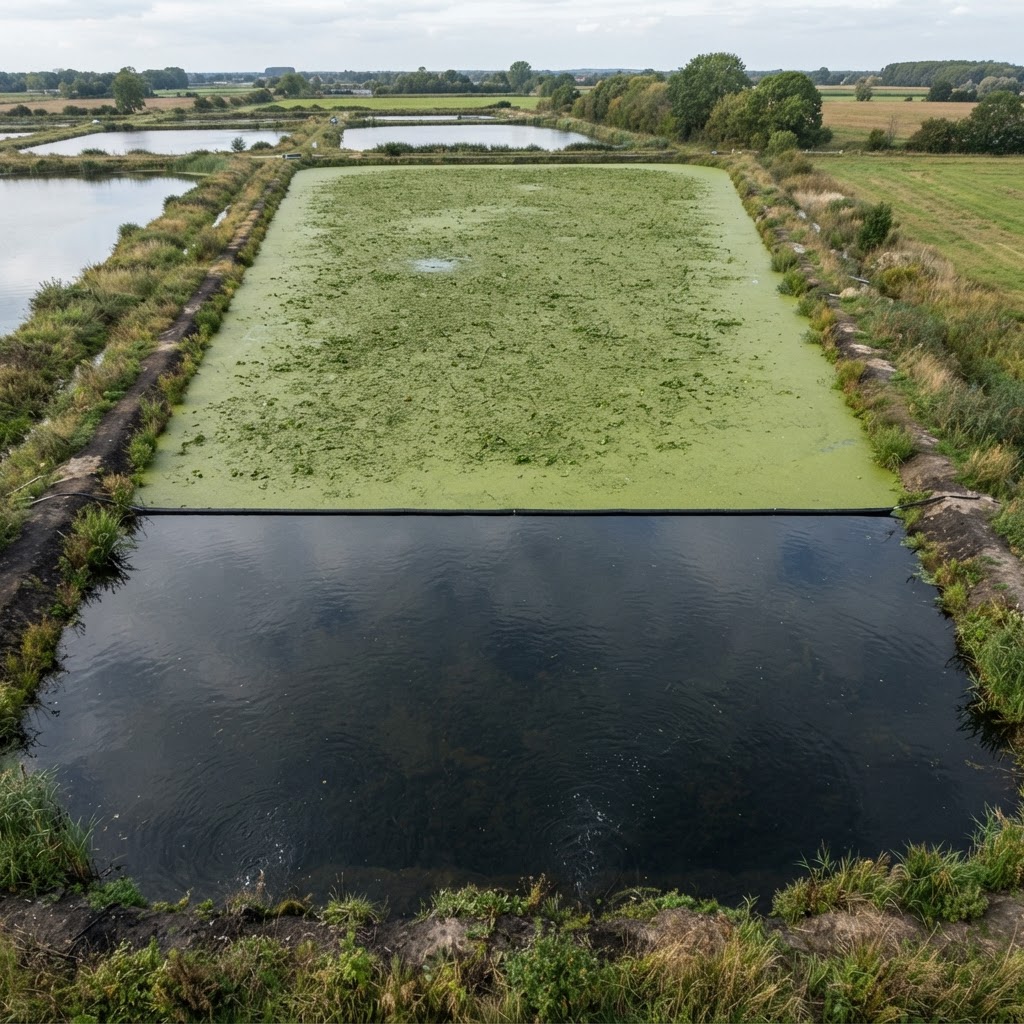 Duckweed Harvesting Equipment: What Works at Pond Scale Most duckweed harvesting equipment is built to clear a nuisance, not to crop a standing biomass. The four machine types, and the spec that decides. Read
 -
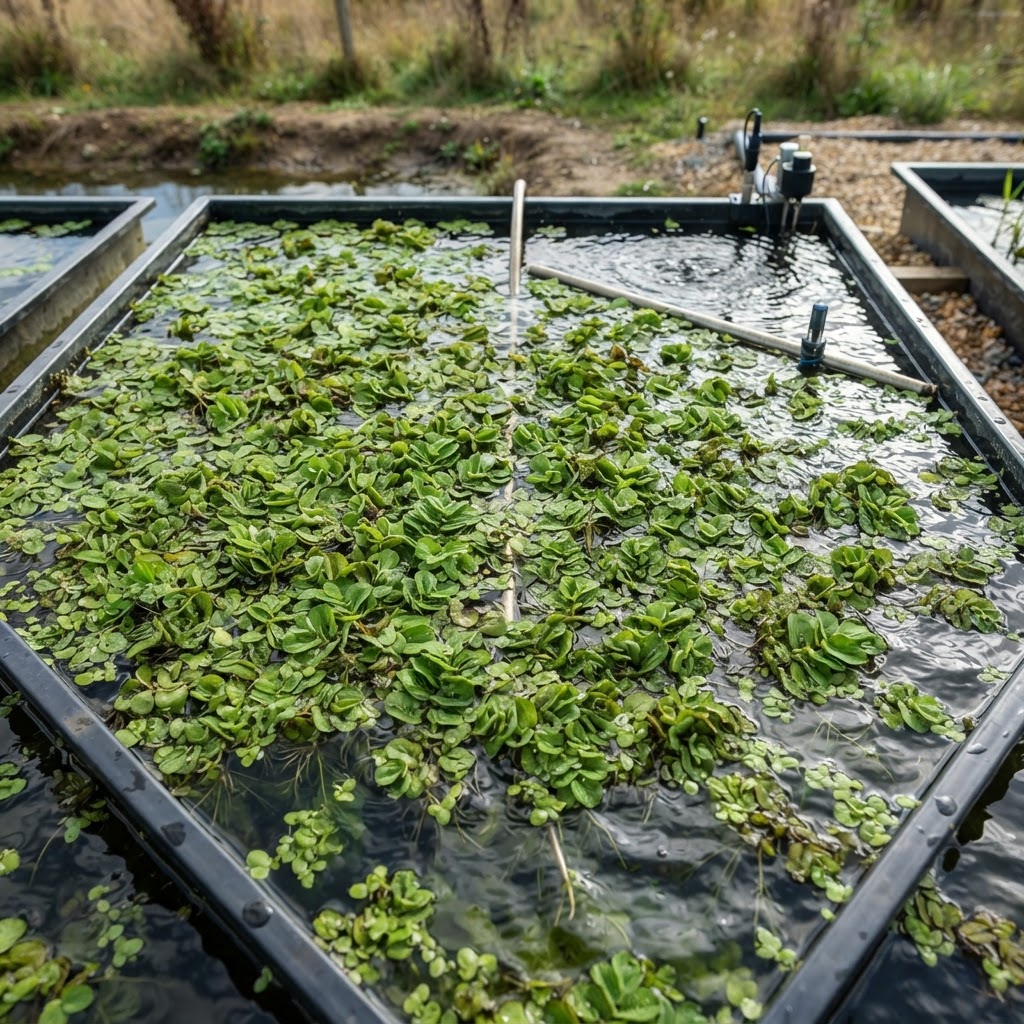 Duckweed as Chicken Feed: Inclusion Rates and Limits Duckweed as chicken feed works to roughly 10 to 25 percent of the ration, but only once you know the species, the growing medium and the batch. Read
 -
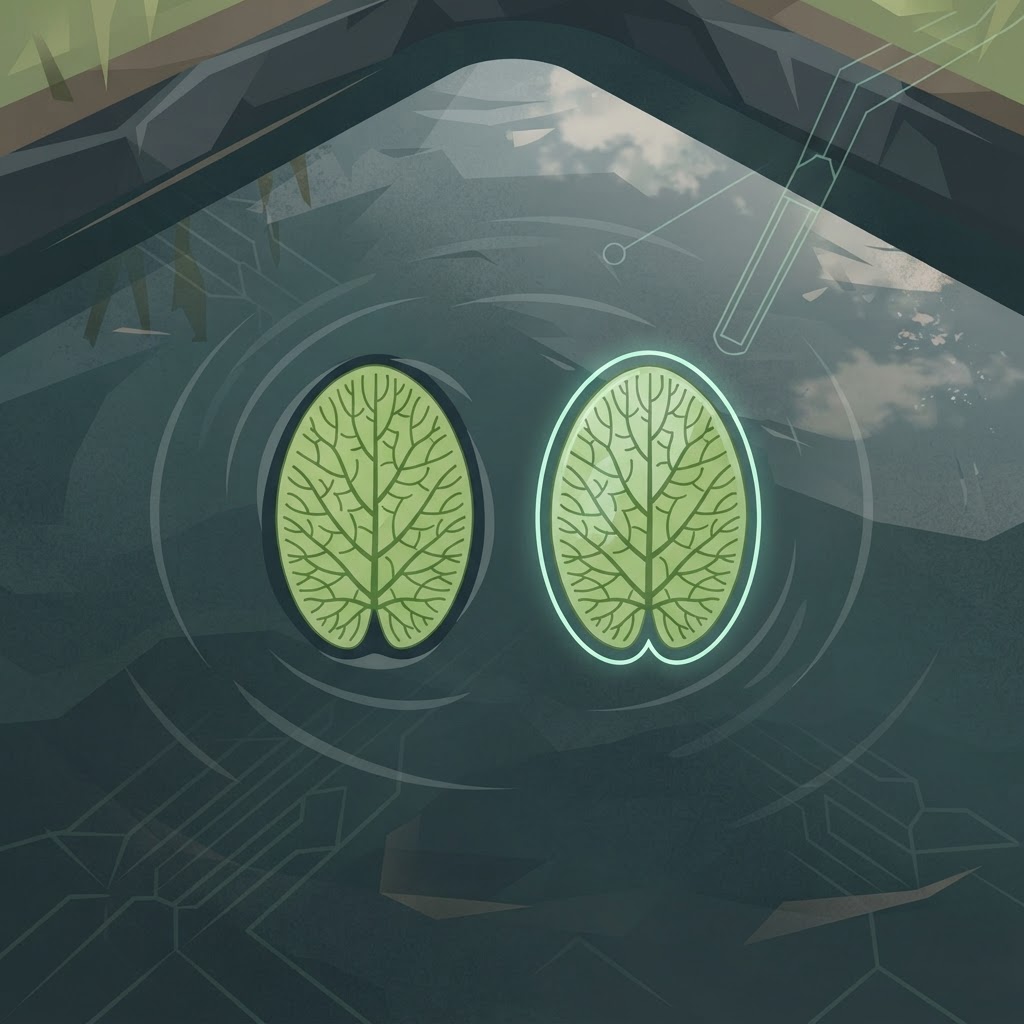 Lemna minor: The Duckweed Most Research Is Built On Lemna minor is the default duckweed of labs and regulators. Genotyping found 36 percent of clones labelled L. minor were a hybrid. What that changes. Read
 -
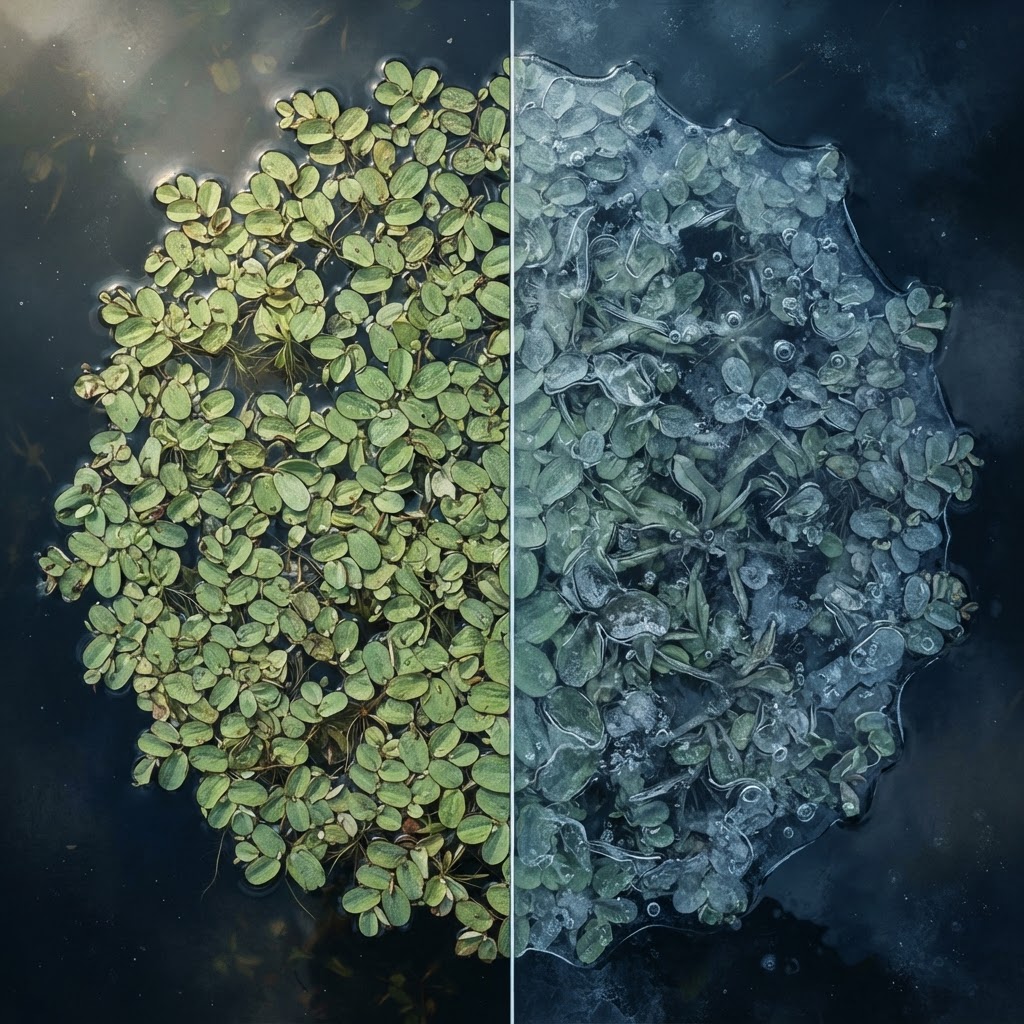 Duckweed Growth Rate: The Lab Number vs the Pond Duckweed doubles in 1.34 to 4.54 days in vitro. Outdoors, one winter of ice collapsed the same population. What the growth rate really depends on. Read